Beautiful Plants For Your Interior
Beautiful Plants For Your Interior
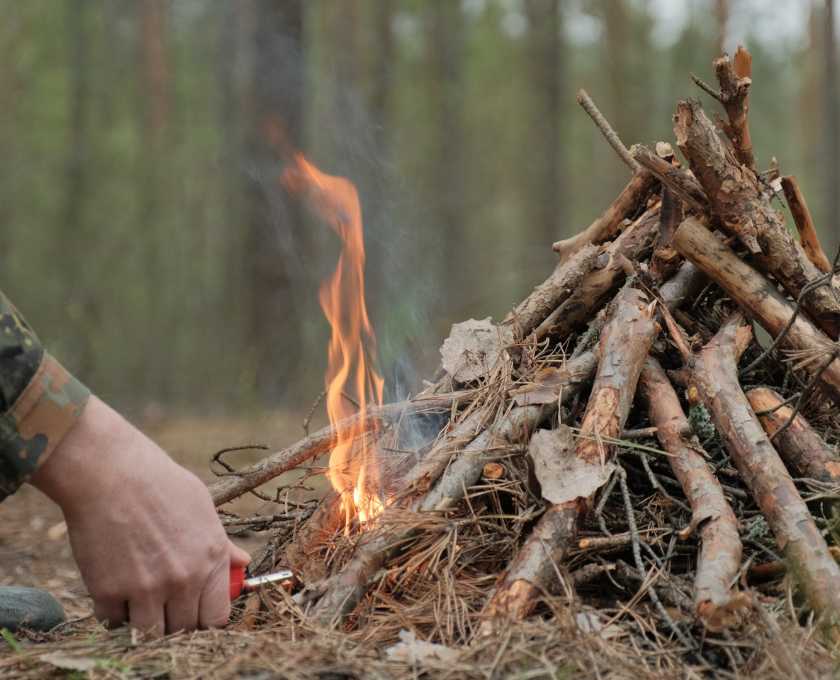
Fire is one of the most critical survival tools, offering warmth, a way to cook food, and light in emergencies. While gathering fuel, such as wood, is essential, the ability to ignite it quickly and reliably is equally crucial.
To start a fire, four elements are necessary: an ignition source, tinder, kindling, and fuel. This guide focuses on the second and third components – tinder and kindling – collectively known as fire starters. We’ll explore their uses, advantages, limitations, and why they are essential tools for safety and survival.
A large piece of wood will not ignite easily on its own. Fire starters bridge the gap by creating a small, hot flame that can transfer to larger fuel sources. Different types of tinder and kindling exist, each with unique strengths. Understanding these options ensures you can adapt to varying conditions and environments.
Wax-infused wood shavings
About: Shavings coated in paraffin wax that burn longer and hotter than plain wood
Strengths: Easy to ignite, waterproof, moisture-resistant, long burn time
Best used for: Wet, rainy, and windy conditions
Limitations: Slightly bulkier than other Tinder options
Brands: Light My Fire, Kingsford Quick Light, Black Beard
Compressed fiber pads
About: Small pads made of cotton or plant fibers compressed with flammable additives
Strengths: Lightweight, compact, ignites easily with sparks
Best used for: Emergency kit tinder
Limitations: Shorter burn time; may require multiple pads for damp conditions
Brands: TinderQuik, UST WetFire, SOL Fire Lite Cubes
Resin-coated materials
About: Cubes or putty infused with resin or chemical accelerants
Strengths: Waterproof, long burn time, and long shelf life
Best used for: Wet, rainy, windy conditions, emergency kit tinder
Limitations: Chemical smell, less environmentally friendly
Brands: WetFire Cubes, Esbit Fuel Tablets, Pyro Putty
Magnesium flake shavings
About: Magnesium blocks or bars are scraped into fine flakes that ignite with a spark
Strengths: Burns at extremely high temperatures (~3,100 °C), ignites damp tinder, waterproof, reliable, compact
Best used for: Wet, rainy, cold, snowy conditions
Limitations: Requires scraping effort and practice; flakes can blow away in the wind
Brands: Rothco, Doan, MagSlab, eGreen, UST Strike Force, Everstryke
Dry grass
About: Thin, fibrous grass that catches sparks quickly
Strengths: Easy to find and ignite
Best used for: Dry and calm conditions
Where to find: Open fields, meadows, or roadside areas. Best collected when dry and stored in a waterproof bag
Shredded bark
About: Fibrous inner bark from trees like cedar or birch
Strengths: Easy to find and ignite
Best used for: Dry and calm conditions
Where to find: Peel bark from fallen branches or dead trees; cedar bark is especially effective
Cotton balls soaked in petroleum jelly
About: Homemade tinder combining cotton’s easy ignition with petroleum jelly’s long burn
Strengths: High heat output and reliable ignition
Best used for: Cold and snowy conditions, emergency kit tinder
Where to find: Simple DIY option; prepare at home and store in a small container
Char cloth
About: Fabric (usually cotton) charred in a tin to create a slow-burning ember material
Strengths: Easy to ignite
Best used for: Dry and calm conditions
Where to find: Made at home by heating cloth in a sealed tin over a fire; excellent for catching sparks from flint and steel
| Conditions | Tinder Options | Reasons to Use |
|---|---|---|
| Wet & Rainy | Resin-coated cubes, Magnesium flakes | Waterproof and burns hot enough to dry damp kindling |
| Windy | Wax-infused shavings, Resin cubes | Longer burn time resists wind extinguishing |
| Cold & Snowy | Magnesium flakes, Petroleum jelly, cotton balls | High heat output and reliable ignition |
| Dry & Calm | Dry grass, Shredded bark, Char cloth | Easy to find and ignite naturally |
| Emergency Kit | Compressed fiber pads, Resin cubes, Cotton balls | Compact and reliable for quick ignition |
Small wood slats
About: Thin, pre-cut wooden strips designed to ignite quickly
Strengths: Dense structure and longer burn time, reliable, helps maintain flame in gusts – perfect for storage and quick use
Best used for: Windy conditions, emergency kit kindling
Brands: Pull Start Fire, UCO Sweetfire Fire Starter Points
Compressed fiber blocks
About: Blocks of sawdust or plant fibers bound with wax or resin
Strengths: Dense structure, long burn time, reliable and consistent ignition – perfect for storage and quick use
Best used for: Windy conditions, emergency kit kindling
Limitations: Bulkier than Tinder, not as natural
Brands: Instafire, Duraflame Firestart Cubes, Superior Trading Co. Light a Fire Pods, FireFlame Quick Instant Fire Starter
Resin-rich sticks
About: Sticks infused with natural resin (often pine-based)
Strengths: Burns hot and steady, resists moisture, burns hot enough to dry damp fuel, ideal for igniting larger fuel in freezing temps
Best used for: Wet, rainy, cold, snowy conditions
Limitations: Heavier than other kindling
Brands: Fatwood, Pyro Putty
Twigs, small branches, bark strips
About: Small wood pieces that catch flame from tinder
Strengths: Readily available outdoors, easy to ignite with minimal effort.
Best used for: Dry and calm conditions
Where to find: Forest floors, near fallen logs, or under trees where branches are dry
Pinecones
About: Natural resin-rich cones that ignite easily and burn steadily
Strengths: Contains natural pitch/resin that helps ignition, burns longer than twigs of similar size, easy to collect in pine forests, is lightweight and portable
Best used for: Cold weather, damp but not fully soaked conditions, serves as a good bridge between tinder and larger kindling
Where to find: Common in pine forests across North America and Europe; more abundant in colder climates
Learn more about using pinecones as kindling.
| Conditions | Kindle Options | Reasons to Use |
|---|---|---|
| Wet & Rainy | Resin-rich sticks (Fatwood), Pinecones, Commercial resin blocks | Resin content resists moisture and burns hot enough to dry damp fuel |
| Windy | Small wood slats, Compressed fiber blocks | Dense structure and longer burn time help maintain flame in gusts |
| Cold & Snowy | Fatwood sticks, Resin-coated commercial kindling | Burns hot and steady, ideal for igniting larger fuel in freezing temps |
| Dry & Calm | Twigs, Bark strips, Shredded branches | Readily available outdoors, easy to ignite with minimal effort |
| Emergency Kit | Compressed fiber blocks, Small wood slats | Compact, reliable, and consistent – perfect for storage and quick use |
Including fire starters in your emergency kit is vital. Experts recommend carrying at least three different methods to ensure redundancy. If one fails due to weather or damage, another option will be available. This layered approach enhances your ability to respond effectively in crises. Keep in mind, fire starters aren’t just for warmth. They can be critical for signaling, boiling water, or sterilizing tools.
Learn more about the four components of fire making and how fire starters play a role.
Fire starters are a vital part of any emergency preparedness plan, ensuring you can create fire for warmth, cooking, and survival in any condition. By understanding the variety of tools available and their respective advantages and disadvantages, you can choose the best options to meet your needs. Whether preparing for emergencies at home or building a portable kit, reliable fire-starting methods will enhance your safety and confidence in any situation.