Protecting Yourself and Your Family During Civil Unrest
People who perceive grievance, injustice, or fear are sometimes compelled into collective action of civil unrest or disorder, even across diverse social, racial, and economic groups. This breakdown of normal society can lead to riots, violence, criminal activity, or other sorts of disorder. It can happen for a variety of reasons and can happen anywhere. All that is required is enough people to take part, enough to overwhelm the system, at least for a time until official responses - including law enforcement and, when deemed necessary, armed intervention - eventually restore order.
Civil Unrest: Reasons and Responses to It
Reasons for Civil Unrest
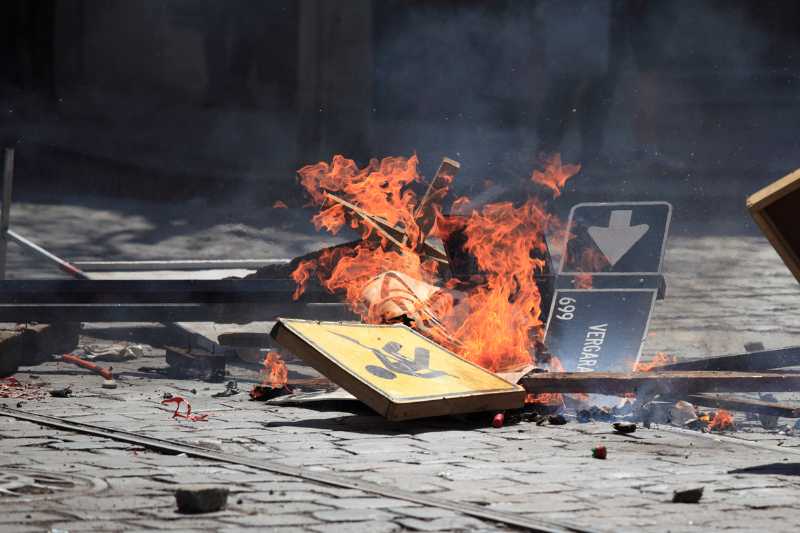
Discrimination or oppression of certain groups; election fraud; abuse of power by authorities; growing concern that social liberties are being eroded
Economic factors that affect personal security which in turn promote more economic insecurity and the cycle continues
Disruption of normal life, resource scarcity like food and medicine brought on by supply chain issues, economic impact affecting livelihoods, displacement from homes, real or perceived inadequate government response, increased vulnerability
Responses to Civil Unrest
Can include local police, state troopers, and federal law enforcement agencies
Can provide security for critical infrastructure, create traffic control points, and respond to fires
Use is legal via the Insurrection Act but is the last resort – only when the state cannot manage the breakdown
Provides medical aid, fights fires, and assists with evacuations
Before Civil Unrest Happens
Although civil unrest can happen anywhere, history teaches us that urban environments are more likely than rural communities to encounter the incidents and fallout of civil unrest. If you live in an urban center, take this threat seriously and prepare ahead of time for this possibility.
#1 Understand the Potential
- Always pay attention to news regarding your local community.
- If you know a protest is scheduled, consider planning to avoid the area during scheduled protests, as these events have the potential to escalate unexpectedly.
- Never travel alone and always let people know where you are going.
- Avoid confrontational gatherings.
- Have plans in place and supplies gathered that can help see you through – see next.
#2 Make Safety Plans
Here are some plans to make now that will help you and your family during civil unrest that may affect you and your home.
- Home Safety: includes exterior, interior, and self-protection measures
- Family Communications: if you are separated
- Fire Safety: includes fire extinguishers and escape ladders
- Evacuation: will help you leave quickly
- Pet Evacuation: will help you evacuate with your pet
#3 Stock Home Supplies
Have enough of life’s necessities available like food and water so you don't need to venture out. Include OTC medicine and prescription meds that give you a 1-2 week buffer if possible. Be sure to store a first-aid kit that includes items like burn gel, sterile dressing, eye wash / saline, as fires and irritants are more common during unrest. Have enough sanitation supplies so you won’t need to leave your home to get them.
Though you'll want to stay home if at all possible, be prepared to make supply runs if absolutely necessary by storing cash in case ATMs and banks become inaccessible, closed, or inoperable.
During Civil Unrest
It takes a minority of just 5 percent to influence a crowd’s direction – the other 95 percent follow along. When civil unrest happens within your community and especially near your neighborhood, following these safety steps can help keep you and your family safe during this dangerous time.
#1 Get Out of Harm's Way
Your safety is your responsibility. If you find yourself in the middle of a civil unrest situation, consider following these tips to help you stay safe.
- Don’t panic and remain calm.
- Don’t get involved.
- Keep your loved ones close – don’t let them out of sight.
- Look around and prepare an escape route. Move away from the area of unrest as calmly and quickly as possible.
- Drive carefully and, if possible, avoid active areas of unrest and heavy traffic.
- If you can’t drive away completely, drive to a safe enclosed area and stay there, remaining in your car until the unrest subsides.
#2 Shelter-in-Place
Most experts agree that the safest place to be during a civil unrest incident is inside your house. Don’t delay getting home if you’re out.
- Staying home keeps you out of the chaos and allows you to defend your property.
- Don’t go back out to find out what’s happening.
- Ensure you have stocked all necessary supplies so that you do not need to leave your safe location during the unrest.
- Bring your pets inside until the trouble is over. If it’s unsafe for you to be outside, it’s unsafe for your pets.
#3 Stay Informed
In the mass confusion of civil unrest, timely information could save your life. It's important to stay informed as to what is happening outside your home.
- Sign up for alerts & notifications ahead of time.
- Watch your local news so you can get up to the minute information.
- Always evaluate what you see and hear using the alerts, notifications, and new broadcasts to determine if you are safe or need to get out.
- The need to evacuate may not be determined solely by these methods. Be ready to use your senses and by-the-minute personal experience to determine your course of action.
#4 Don’t Get Caught in the Middle
Guilt by Association
If you are amongst a rioting crowd, regardless of your intentions, you will be treated like everyone else in that group.
- If they get tear-gassed, so will you. If the crowd is violent, you will be considered violent and dealt with accordingly.
- Legally, involvement in violent activities with a group can result in culpability, regardless of your individual intentions.
- Go home.
Don't Become a Victim
- If you find yourself in or near a mob-like situation, try to evade the area as fast as possible.
- If they are trying to attack you, don’t hesitate to use decisive force if necessary to defend yourself.
- If they’re trying to rob you, throw whatever it is they want in the opposite direction and run – making as much noise as possible.
After Civil Unrest
Civil unrest can cause major and minor injury, death, and millions to billions of dollars in damage. If you, your family, or business is affected by a civil unrest event, here are some steps you can take.
#1 Seek Care and Connect with Others
Confirm Your Safety
Contact family and friends to confirm your safety and location. Reconnect with anyone you were separated from.
Seek Medical Care and Emotional Support
Get prompt medical attention for any injury, even minor ones. Delayed treatment can worsen hidden issues. Civil unrest can also be stressful and traumatic. Reach out to counselors, support groups, faith communities, and trusted friends or family. Talking about your experience may help you heal faster.
#2 Document Damage
Photograph and video every affected area before cleaning or repairing anything. This documentation supports police reports, insurance claims, and future disputes. Capture:
- Exterior and interior damage
- Broken windows, doors, or locks
- Graffiti or vandalism
- Debris or scorch marks
- Damaged vehicles or outdoor structures
#3 Preserve Evidence
Save anything that may support your claim or investigation and avoid cleaning up until documentation is complete.:
- Security camera footage
- Screenshots of neighborhood alerts or messages
- Written notes of what you saw or heard
- Times, descriptions, or license plates if remembered
#4 Report Any Incidents
Contact Local Police
File a police report for personal injury, vandalism, theft, or property damage. Request a reference or case number for your records.
Contact Your Insurance Company
Report damage as soon as possible. Provide photos, videos, receipts, and your police report number. Ask about temporary repairs, debris removal, and coverage for lost items.
#5 Check for Lingering Hazards
Before fully reentering or moving around your home, look for hazards. If anything seems unsafe, contact the appropriate utility or emergency service:
- Broken glass or sharp debris
- Damaged electrical wiring or outlets
- Gas smells or leaks
- Fire damage or smoldering hotspots
- Downed power lines
- Compromised fences or gates
- Check gas, water, and electrical systems
- Follow any boil water advisories
- Reset breakers only if you’re certain it’s safe
#6 Secure Your Home Again
Temporary fixes (plywood, window film, door braces) help until permanent repairs are arranged. Reinforce or repair:
- Doors and locks
- Windows and frames
- Fences and gates
- Outdoor lighting