What to Do Before, During, and After a Tornado Strikes
A tornado is a rapidly spinning tube of air that extends from the base of a thunderstorm to the ground. It causes massive destruction and brings intense and very dangerous winds. Visual signs of a tornado include a rotating, funnel-shaped cloud, and an approaching cloud of debris. The sound is that of a loud roar like a freight train.
Tornadoes: Prone Areas & Damage Caused

Where & When
can happen anywhere, any time of the year, and any time of day
most occur in the Southern & Northern Plains and the Gulf Coast, approximately 70% occur between March and June, with many happening between 4 and 9 pm local time
spring to summer period is prime time for conditions that spawn tornadoes - but they can still occur outside of these peak times
Damage Caused
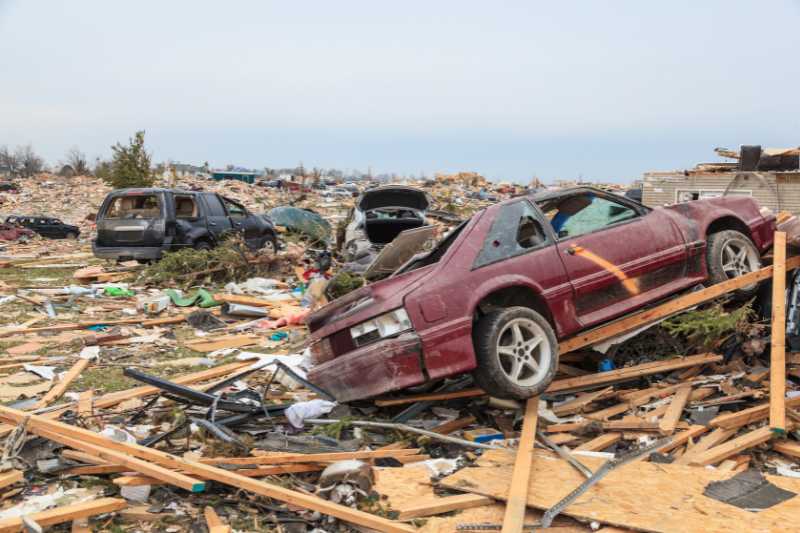
transforms cars and other debris into deadly projectiles - most deaths come from flying or falling debris, typically killing 60 to 80 people per year and injuring 1,500 more
causes major damage to buildings, cars, property, and crops
uproots trees, loss of wildlife habitat, and spreads soil disease
Before a Tornado Happens
Tornadoes are one of nature’s most powerful and destructive forces. They can strike quickly, with little warning, and cause devastating damage in a matter of minutes. Therefore, it is crucial to prepare in advance. Being prepared can not only help to protect your property, but more importantly, it can save lives. The key is to plan ahead, stay informed, and act quickly when a tornado threatens.
#1 Make a plan
- Make a Plan: Every family member needs to be in on this plan and understand where to go and what to do. The plan should include going to the safe room when a watch is issued and staying there until the authorities declare it safe.
- Make Assignments: Who gets which child? Who gets which pet? Who gets the grab & go bags and binder?
- Practice Your Plan: The key to safety is practice. Running a drill with your family is a great way to ensure everyone remembers what to do. These drills involve acting out the assignments and moving quickly to a safe location. This practice will help cement the plan and help for times when watches are not issued, and time is of the essence.
- Note: If you live in a manufactured, mobile, trailer, or RV home, practice going to a safe place and plan on doing so every time a watch is issued.
#2 Safe Shelter – using an existing room
Identify the safest location within your home where you can take your family in the event of a tornado. This becomes the "safe location" in your family plan.
- Do you have a small interior, windowless room, or basement on the lowest level of a sturdy building? An underground basement is generally considered the safest option.
- If there is no basement, take shelter on the first floor and into either a small interior windowless room, or stay away from windows, doors, and outside walls.
#3 Safe shelter- building a safe room
- You can build a safe room, also known as a storm shelter, to ICC 500 standards. These rooms are built specifically to withstand high winds.
- Know your zone - if you live in zones 3 & 4, you may want to consider building a safe room for both tornadoes and hurricane-force winds. Building a safe room is one of the best proactive measures for protecting lives.
Zone 1 (white)=130 mph, Zone 2 (yellow)=160 mph, Zone 3 (orange)=200 mph, Zone 4 (red)=250 mph - Source: Federal Emergency Management Agency (FEMA)
#4 Emergency supplies & document storage
Grab & Go Bags
If you can stock supplies in your safe room, do so. If that would be inconvenient, be sure to create a grab & go bag that you can take with you should you need to evacuate but also take with you on your way to the safe room. It will supply you and your family with food, water, flashlights, NOAA radio, and more. Remember that your pet needs one too.
Document Storage
Keep a copy of your important documents, account numbers, etc. in a grab & go binder. If your home gets damaged or worse yet, destroyed, this binder will aid you immensely in moving forward.
#5 Understand the alert system
- Alerts & Notifications: Wireless Emergency Alerts (WEA) on your phone; NOAA Weather Radio; local TV, radio, and weather apps; and outdoor warning sirens (where available)
- Tornado Watch - Be Ready: Tornadoes are possible in and near your area. Use this time to review your plan, check supplies, identify your safe room, stay closely tuned to weather updates
- Tornado Warning - Take Action Now: A tornado has been sighted or indicated by radar. This means immediate danger. Move to your safe room right away.
- Outdoor Warning Sirens - Take Action Now: If you hear a siren, go to your safe location immediately and check official sources for details. Sirens are not meant to be heard indoors and are not a substitute for phone alerts or NOAA Weather Radio.
#6 Prepare for a no-warning scenario
Not every tornado produces a clear radar signature or enough lead time for an alert. Learn to recognize the signs so you can act on your own if needed:
- Dark, greenish sky
- Large, low, rotating cloud base
- Loud, continuous roar (like a freight train)
- Debris falling or blowing around
- Sudden calm after intense wind or hail
If something feels wrong, don’t wait for an alert - take shelter immediately.
During a Tornado
During a tornado, every second counts. Knowing exactly what actions to take can be the difference between life and death. It’s not just about doing the right things - it’s also about avoiding the wrong ones. Missteps or delays can put you and your loved ones in harm’s way. Understanding the dos and don’ts during an active tornado is of paramount importance. This knowledge allows you to act swiftly and effectively, ensuring your safety and minimizing potential damage.
#1 When You're Inside
If a tornado warning occurs while you are in your home, follow the following steps:
- Remember Your Assignments: You have rehersed the steps laid out in your tornado family plan, now is the time to execute each one - grabbing children and pets first, and grab & go bags and emergency binder if you have the time.
- Run to the Safe Location: Take your family to your safe location and stay away from windows, doors, and outside walls. An exploding window and injure or kill.
- Protect Yourself: If things turn violent, cover your head and neck with your arms. If you can, put materials around or on top of you like furniture and blankets.
- Stay Tuned-In: Get information from your NOAA radio, local radio, or cell phone and stay put until you get the all clear.
#2 When you're outside
If a tornado warning occurs while you are driving or otherwise outside, follow the following steps:
- Stay Put: Do not try to outrun a tornado in your car. A car or a mobile home provides almost no protection from tornadoes.
- When to Seek Shelter: If you're on foot and you can safely get to a sturdy building, do so immediately.
- Out in the Open: If you cannot get to a sturdy building, use your arms to protect your head and neck.
- Overhead Danger: Do not get under an overpass or bridge. You’re safer in a low, flat location.
After a Tornado
In the aftermath of a tornado, the landscape can be drastically altered, and normal routines can be disrupted. It’s a time of uncertainty, with many potential hazards and challenges. Knowing what actions to take after a tornado hits is essential for ensuring your safety, assessing the damage, and starting the recovery process. It’s not just about what you do, but also what you avoid doing, to prevent further harm or damage. This knowledge can help you navigate the chaos and confusion and take the first steps towards rebuilding and recovery.
#1 Assess Your Situation
- Stay Put: Stay where you are and keep listening to authorities via the alert system for updated information. Continue to shelter in place until the warning is over.
- Moving About: When given the green light, look around for things that might fall or dangerous debris. Do not use matches or lighters inside. If you smell gas or see spills that could be flammable, leave immediately. Exit with extreme care and stay out.
- When Trapped: Cover your mouth with a cloth or mask to avoid breathing in dust. Try to send a text message and bang on a pipe or wall. If you have your grab & go bag handy, use the whistle to get attention instead of shouting.
- Once Outside: Stay clear of fallen power lines or broken utility lines. Watch out for exposed nails and broken glass and do not enter any building until you are told it is safe.
- Treat Injuries: Provide first aid as needed to people you see who are injured. Do not attempt to move a person with a back or neck injury unless they are in immediate danger. Seek immediate medical assistance.
#2 Dealing with damage and clean up
Once you are cleared to go back inside your home, the work to rebuild begins. Be careful. Significant injury and even death have been known to happen from participation in cleanup activities.
- Damage: Get professional building/land inspections for damage.
- Clothing: Wear thick-soled shoes, long pants, and work gloves. Use face coverings or masks if cleaning mold or other debris.
- Fuel: If power is out, use flashlights or battery-powered lanterns to reduce fire risk. Do not use gasoline, propane, natural gas, or charcoal-burning devices inside a home, basement, garage, tent, or camper, or outside near an open window.
- Dangers: Be aware of carbon monoxide poisoning. You can't see it or smell it, but it can kill you fast. If you start to feel sick, dizzy, or weak, get to fresh air right away...do not delay.
- Kid-Free Zone: Children should not take part in any cleanup efforts